In critical care, emergency response, and surgical environments, a "good" medical device doesn't just function—it actively preserves life. When cold IV fluids or refrigerated blood products are rapidly infused into a patient, their core body temperature can drop dangerously fast. This brings healthcare facilities to a vital clinical crossroads: how to effectively manage patient temperature without incurring astronomical operating costs.
Understanding the primary blood and fluid warmer uses is critical for any hospital, operating theatre (OT), or emergency room looking to optimize patient outcomes, eliminate layout/process inefficiencies, and reduce multi-crore medical liabilities.
What is a Blood and Fluid Warmer?
A blood and fluid warmer is a specialized medical device designed to safely warm intravenous (IV) fluids, whole blood, blood products, and irrigation solutions before they are administered to a patient.
During prolonged surgical procedures, trauma care, and massive transfusions, maintaining normothermia (normal body temperature) is incredibly difficult. Even standard room-temperature IV fluids can shock a compromised systemic ecosystem. A dedicated blood and fluid warming system bridges this gap, delivering thermal stability directly into the infusion line.
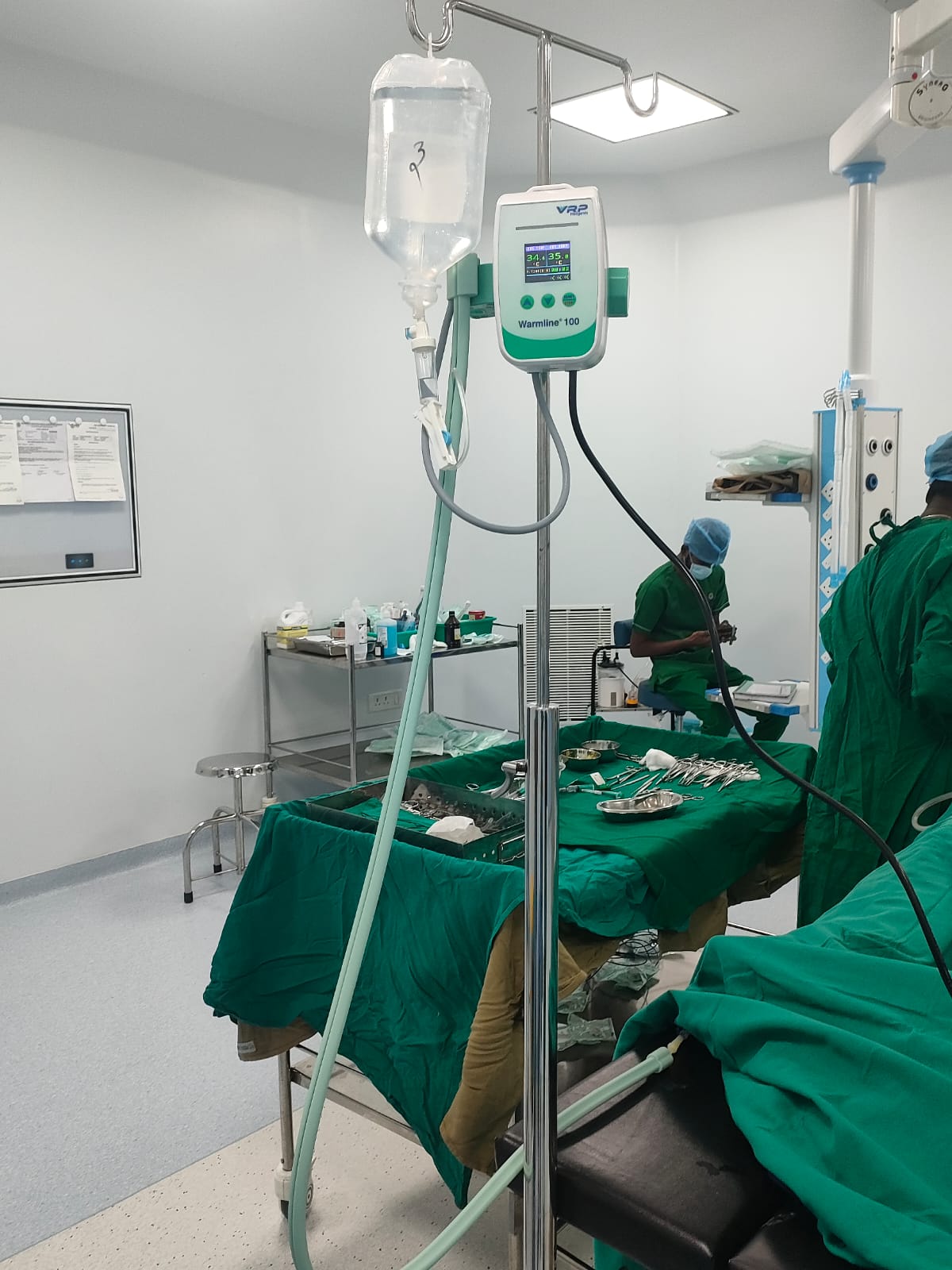
Primary Blood and Fluid Warmer Uses in Modern Healthcare
Why would you use a blood warmer in a hospital or field environment? The clinical applications span across multiple departments:
1. Preventing Perioperative Hypothermia
Perioperative hypothermia occurs when a patient's core body temperature falls below $36^\circ\text{C}$ during surgery. It affects millions of surgical patients annually. Utilizing a hospital blood warmer during anesthesia keeps the patient’s core temperature stable, drastically reducing the risk of shivering and delayed thermal recovery.
2. Emergency Rooms and Trauma Centers
In trauma situations requiring massive transfusions, cold blood straight from the blood bank can induce cardiac arrhythmia or arrest. A blood and fluid warmer for emergency rooms allows rapid infusion of life-saving fluids at exact physiological temperatures.
3. Specialized Patient Demographics
- Blood and Fluid Warmer for Elderly Patients: Older adults have a compromised thermoregulatory response, making them highly susceptible to rapid cooling during simple IV fluid delivery.
- Neonatal and Pediatric Care: Infants cannot regulate their own body heat efficiently; hence, a precise medical blood warmer is mandatory during pediatric fluid administration to prevent hypothermic shock.
4. High-Volume Surgical Procedures
Blood warming solutions are heavily utilized and highly recommended for:
- Cardiac surgery
- Orthopedic surgery
- Organ transplantation
- Critical care units (ICU)
Why Cold Fluids Are Dangerous: The Technical Risk
Infusing fluids without a fluid warming system creates an invisible revenue and health leak for hospitals. Rapid administration of cold fluids lowers body temperature and significantly increases the risks of:
- Excessive Bleeding: Hypothermia impairs blood coagulation pathways.
- Cardiac Events: Cold fluid shocks the central cardiovascular system.
- Delayed Recovery & Longer ICU Stays: Prolongs patient suffering and increases hospital bed turnaround times.
Technical Blood and Fluid Warmer Specifications to Look For
When evaluating a blood and fluid warming device, senior biomedical engineers look for strict performance parameters to ensure clinical safety:
| Technical Specification | Standard Requirement | Why It Matters for Patient Safety |
|---|---|---|
| Temperature Range | 32°C to 42°C | Ensures optimal physiological warming without overheating. |
| Heating Technology | Dry Heat Technology | Eliminates recurring disposable costs and medical waste. |
| Safety Sensors | Dual Safety Monitoring | Continuous self-diagnostics prevent accidental over-temperature. |
| Mounting Capability | Quick Pole-Mount Design | Essential for fast-paced emergency and operating rooms. |
| Alarms | Audible & Visual Alarms | Alerts staff instantly to high/low temperature shifts. |
Dry Heat vs. Disposable-Based Systems: The Cost-Savings Factor
The global blood fluid warming medical device market is shifting rapidly. Historically, hospitals used warmers that required expensive, single-use disposable heating cartridges or dedicated proprietary infusion sets.
Today, advanced systems utilize Dry Heat Technology.
- Lower Operating Costs: No recurring disposable expenses per procedure.
- Faster Setup Time: Ideal for field blood warmers and rapid deployment in ambulances.
- Reduced Biomedical Waste: Supports modern eco-friendly hospital compliance standards.
Blood and Fluid Warmer Price in India (2026 Guide)
The blood and fluid warmer market features a wide price spectrum based on accuracy, integrated safety systems, and brand certifications.
An approximate breakdown of the price ranges within the Indian healthcare market is detailed below:
- Basic IV Fluid Warmers: ₹17,000 – ₹30,000
- Standard Blood & Fluid Warmers: ₹30,000 – ₹70,000
- Advanced Blood & Fluid Warmers: ₹70,000 – ₹1,20,000
- Premium International Brands: ₹1,20,000 – ₹1,80,000+
- IEC 60601-1-2 (4th Edition)
Ensures electromagnetic compatibility in operating rooms and ICU environments. - Dry-Heat Warming Technology
Eliminates infection risks associated with older water-bath warming systems. - Intelligent Safety Alarms
Audible and visual alerts for over-temperature (>42°C), flow interruption, or system malfunction. - NCBI / PubMed: Impact of perioperative hypothermia on patient outcomes
- The Lancet: Thermal management and infection risk in surgical patients
- NICE Guidelines (CG65): Hypothermia – prevention and management in adults undergoing surgery
The Analyst's Insight: While buying the cheapest device might save capital upfront, low-cost devices often lead to higher lifetime costs due to mandatory disposable cartridges, frequent downtime, and lack of authorized local calibration support.
Meet Warmline100: Top Blood Warming Technology by VRP Medgands
If your healthcare facility is looking for a reliable, cost-effective, and highly accurate solution, Warmline100 by VRP Medgands is the answer.
Engineered and manufactured in India, Warmline100 is designed specifically for demanding environments like Operating Theatres, ICUs, Emergency Departments, and Trauma Care units. Featuring high-precision dry heat technology, it completely removes the need for recurring disposable heating accessories, allowing your hospital to protect both its patients and its bottom line.
Safety Standards and Trust
Healthcare facilities should prioritize blood and fluid warmers that align with recognized safety and performance standards:
Clinical References
Medical Disclaimer
This content is intended for healthcare professionals, hospital administrators, and medical equipment procurement teams. It is provided for informational purposes only and does not constitute medical advice. Clinical decisions should always follow institutional protocols, manufacturer instructions, and applicable medical guidelines.


 No 54/11, 1st Floor, 4th
Street, Rukmani Nagar,Poonamallee, Chennai -600056.
No 54/11, 1st Floor, 4th
Street, Rukmani Nagar,Poonamallee, Chennai -600056.
